
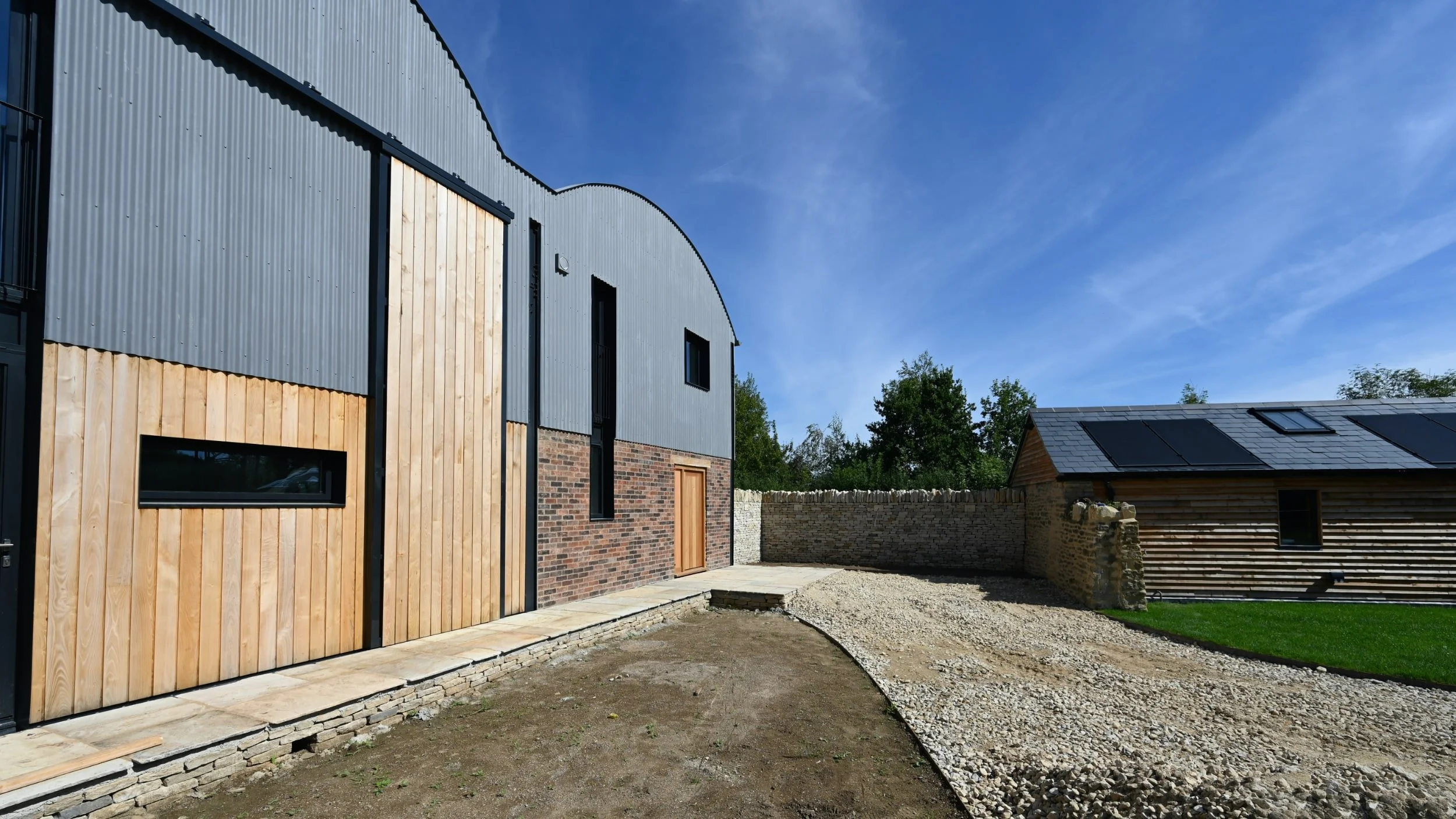
Energy Efficient House Design & Low Carbon Building Specifications
Reducing Energy Bills Through Better Building Performance
We design low-energy homes and extensions that significantly reduce heating costs whilst improving comfort through evidence-based building physics principles. Whether retrofitting an existing property or designing a new build, our approach combines passive design strategies, enhanced building fabric and efficient mechanical systems to exceed minimum Building Regulation Part L requirements.
Our energy-efficient designs typically achieve 30-50% lower heating bills compared to standard construction whilst improving indoor air quality, thermal comfort and reducing carbon emissions. We can target specific performance levels from Part L compliance through to Passivhaus standards depending on your budget and priorities.
Passive Inspired Design Strategies: Form, Orientation, Glazing & Thermal Mass
Passive inspired design balances solar gain and heat loss through glazing with strategic sizing and orientation. In addition, lightweight timber frame construction responds quickly to heating but lacks thermal mass buffering so dense materials (masonry floors, blockwork walls, concrete) absorb heat during the day and release it slowly overnight, moderating internal temperature swings. Thermal mass can be introduced through screed floors, dense plasterboard or masonry internal walls where beneficial. Compact building forms with lower surface area-to-volume ratios lose less heat than sprawling layouts. We balance compactness against other design requirements (daylight, views, room relationships) but consider heat loss implications when developing floor plans.
Building Fabric Improvements: Insulation & Thermal Bridging
The building envelope - walls, roof, floor, windows - determines heat loss rate. We specify enhanced fabric performance exceeding Building Regulation minimums, targeting U-values significantly below Part L requirements.
These improved U-values deliver measurably lower heating demand whilst modest cost increases pay back through reduced energy bills within typical mortgage periods.
Thermal Bridge Mitigation
Thermal bridges (cold spots where insulation is interrupted - lintels, wall ties, balconies) create local heat loss and condensation risk. We detail junctions carefully using insulated lintels and thermally broken structural connections.
MVHR, Heat Pumps & Renewable Energy
Once passive inspired strategies and fabric improvements reduce heating demand, efficient mechanical systems deliver comfort with minimal running costs.
Mechanical Ventilation with Heat Recovery (MVHR)
Traditional trickle vents and intermittent extract fans waste heat whilst providing inconsistent ventilation. MVHR systems continuously supply fresh filtered air whilst extracting stale air, recovering 85-95% of heat that would otherwise be lost.
MVHR suits airtight new builds and deep retrofits particularly well, providing controlled ventilation without opening windows - beneficial for noise reduction, security and air quality. Systems require ducting (typically 75-125mm diameter) integrated during design, plus regular filter changes for optimal performance.
Air Source Heat Pumps
Air source heat pumps (ASHPs) extract ambient heat from outside air and concentrate it for space heating and hot water. Modern ASHPs achieve 300-350% efficiency (Seasonal Coefficient of Performance 3.0-3.5) compared to gas boilers at ~90% efficiency.
ASHPs work most efficiently with underfloor heating or oversized radiators operating at 40-45°C flow temperatures rather than traditional 65-75°C systems. Initial costs are higher than gas boilers but government grants (Boiler Upgrade Scheme currently £7,500) and lower running costs typically achieve payback within 10-12 years.
Solar Photovoltaic (PV) Panels
Roof-mounted solar PV generates electricity reducing grid demand and energy bills. A typical 4kW domestic system (10-12 panels) generates approximately 3,500-4,000 kWh annually - covering 70-90% of typical household electricity consumption with battery storage, or 40-50% without storage (excess exported to grid).
Solar Thermal Hot Water
Solar thermal panels heat water directly rather than generating electricity. Viable for properties with high hot water demand (large families, swimming pools) but generally less cost-effective than solar PV combined with heat pumps for typical domestic installations.
Retrofit Solutions for Existing Homes
Retrofitting existing homes presents different challenges than new builds - working around existing construction, occupation constraints and listed building restrictions.
External Wall Insulation (EWI)
Solid-wall properties (pre-1930s typically) lose significant heat through uninsulated masonry walls. External wall insulation adds 100-150mm insulation externally, wrapping the building envelope and eliminating thermal bridging.
EWI changes external appearance requiring planning permission in Conservation Areas or for Listed Buildings. Internal wall insulation (IWI) avoids external changes but reduces room sizes and requires careful condensation risk assessment.
Listed Building Retrofit Constraints
Listed buildings require Listed Building Consent for alterations affecting character. We design sympathetic improvements respecting historic fabric:
Replacement vacuum glass;
Breathable insulation materials, avoiding moisture trapping;
MVHR ducting routes minimising impact on historic plasterwork;
Underfloor insulation methods preserving original floors.
Measurable Benefits of Energy Efficient Design
Lower Running Costs
Enhanced insulation, airtightness and efficient heating systems typically reduce heating bills 30-50% compared to minimum Building Regulation standards - £400-£800 annual saving for typical homes.
Improved Comfort
Better insulation eliminates cold wall surfaces and reduces draughts, maintaining consistent temperatures. Vacuum, A++ double and triple glazing eliminates cold window drafts and condensation common with lower grade glazing.
Better Air Quality
MVHR systems provide continuous fresh air filtration removing pollen, pollution and allergens - particularly beneficial for asthma sufferers and urban locations with poor outdoor air quality.
Future-Proofing
Rising energy costs and increasing carbon reduction targets make energy efficiency increasingly valuable. Properties with superior energy performance achieve premium resale values and comply with future rental minimum EPC requirements.
Reduced Carbon Emissions
Low-energy homes contribute to climate change mitigation. A typical energy-efficient extension reduces annual carbon emissions by 1-2 tonnes CO₂ equivalent compared to standard construction.
Ready to Discuss Energy Efficiency for Your Project?
Whether designing a new low-energy home, planning a deep retrofit or incorporating enhanced specifications into an extension, contact us to discuss performance targets, technology options and cost implications. We'll explain what's achievable for your budget and how design decisions affect long-term energy costs.
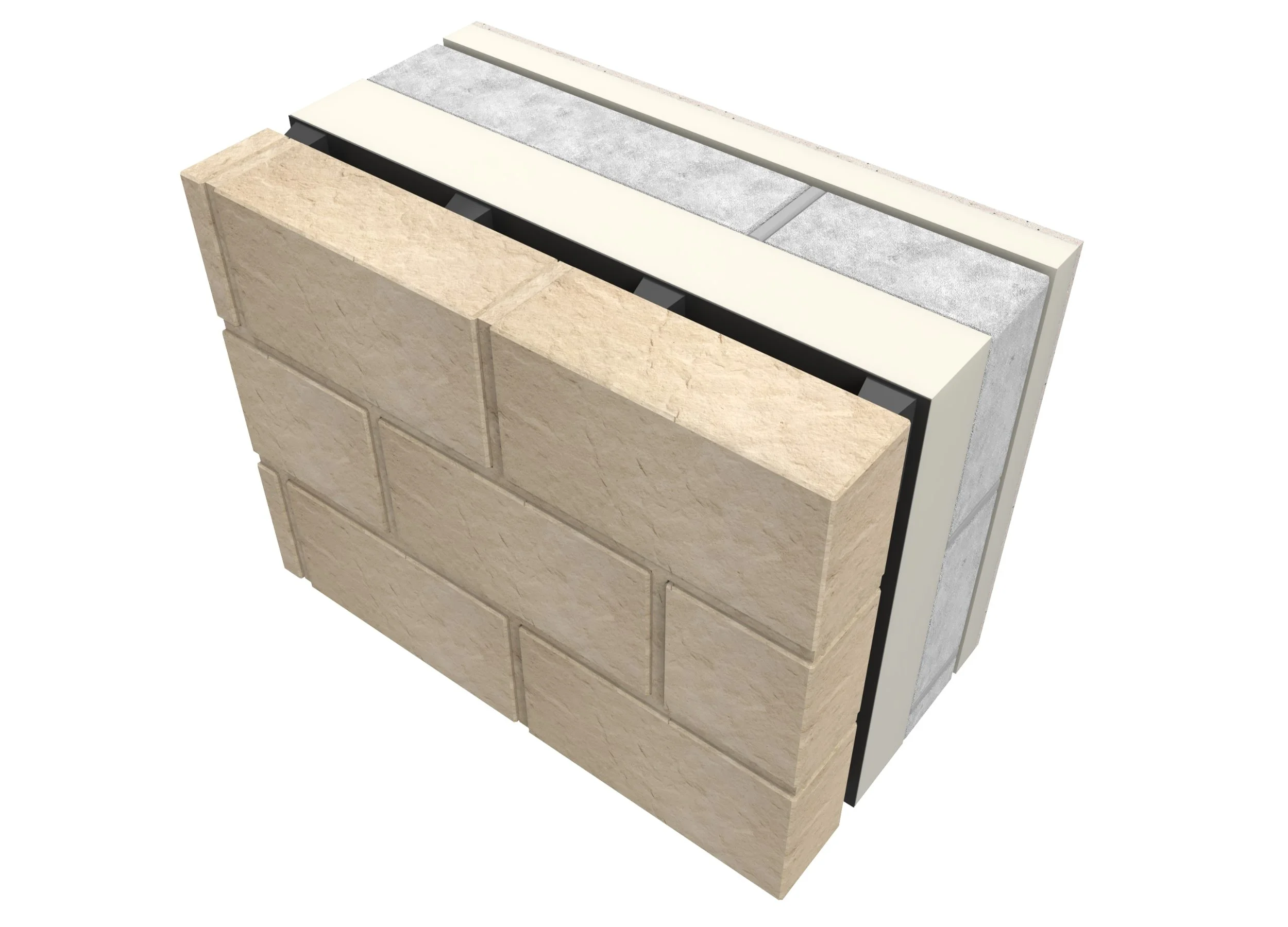
Traditional masonry cavity wall optimum energy performance
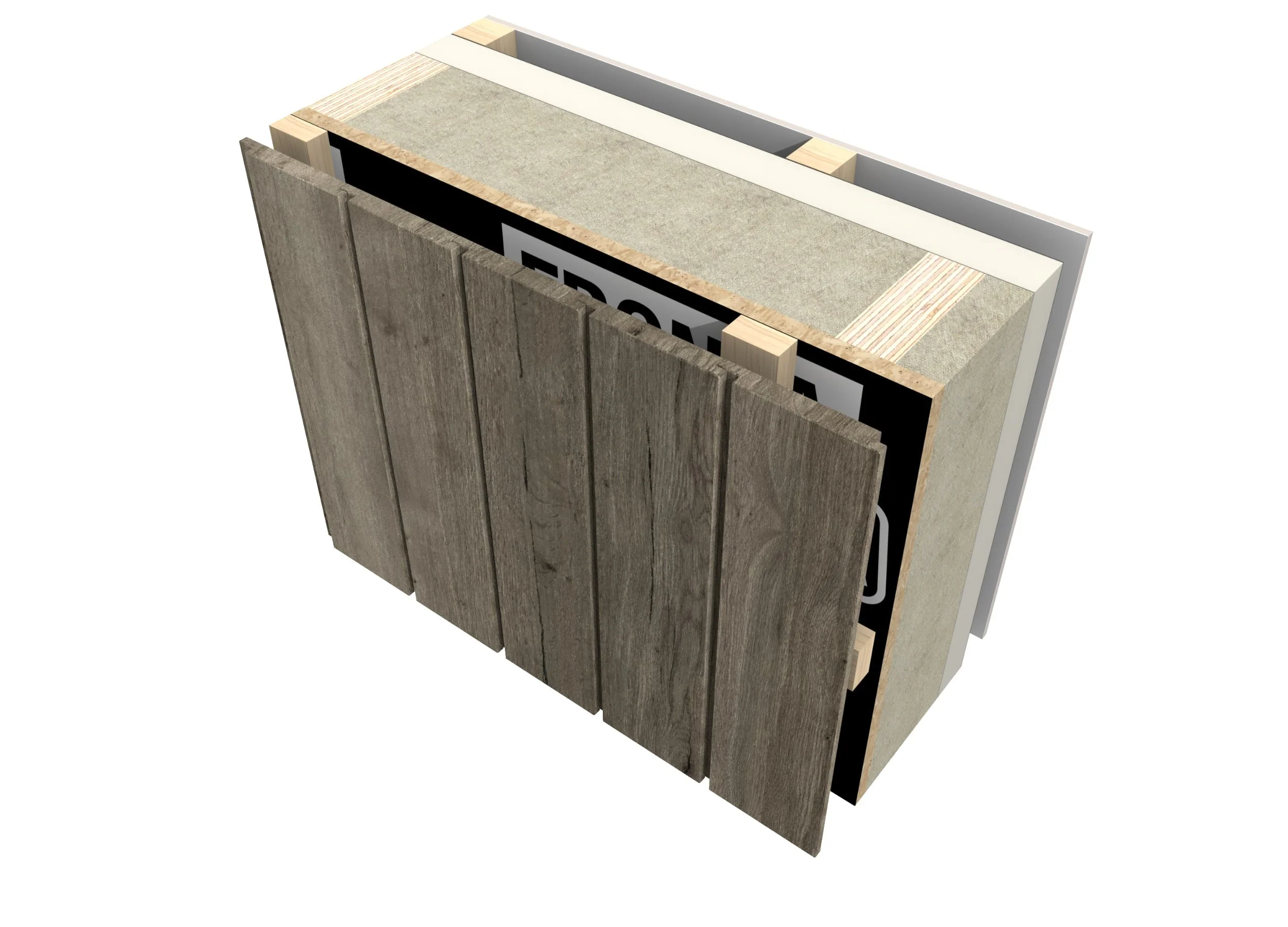
Timber frame wall optimum energy performance